How to Write a Check

Checks make it unnecessary to carry large amounts of money on you or risking sending money in the mail. However, this popular way of transferring money from one party to another has been largely replaced by credit cards, debit cards, and online bill payment systems. Consequently, many young people are not familiar with how to write a check.

What Is a Check?

A check is a bill of exchange, a way to make payments without a direct exchange of cash. A check writer, called the “drawer,” issues a written order for his or her bank to pay the recipient, called the “bearer,” the specific amount stated on the check. The drawer has a checking account with a bank or credit union with deposited funds to cover the transferred funds.

In effect, a check is a promissory note that can even be used by the bearer to pay someone else. In other words, although a check is a financial instrument to pay the bearer, the bearer may endorse the check and transfer it to a third party.

A Brief History of Checks

Checks have been used by European merchants since the 9th century. It was much easier to write a check than to carry large sacks of gold or carts full of silver to buy something. However, it was not until the 20th century that checks became almost as ubiquitous as cash. During this time, almost everyone who had a bank account knew how to write a check. The volume of check transactions reached its peak in the early part of the 1990s, after which it was replaced by electronic payment systems. Today, checks still play a marginal role in financial transactions, and for this reason it’s still relevant to ask about how to write a check.

How to Write a Check in 7 Simple Steps

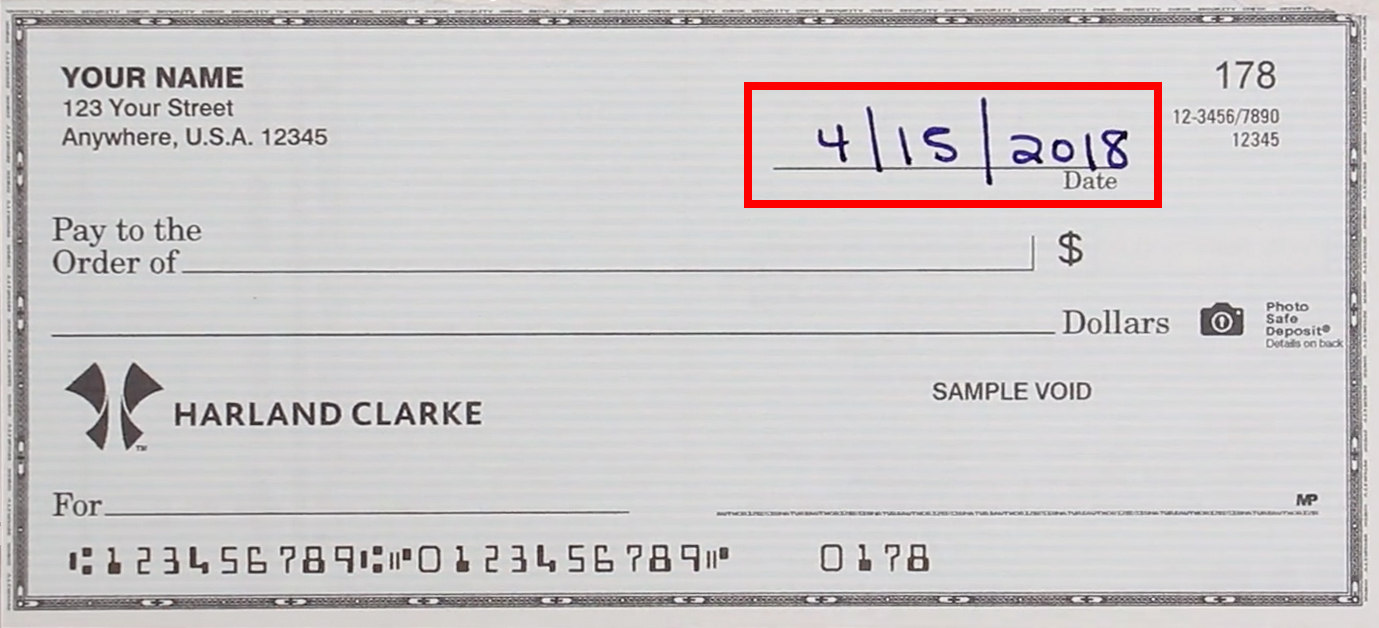
1. Start by writing the date. You can write it in any conventionally accepted format you like: for instance, just the numbers for the month, day, and year, or by spelling out the date. The only important thing is that the date is legible and understandable. You can write the check out either for the current date or for a future date when funds will be available.

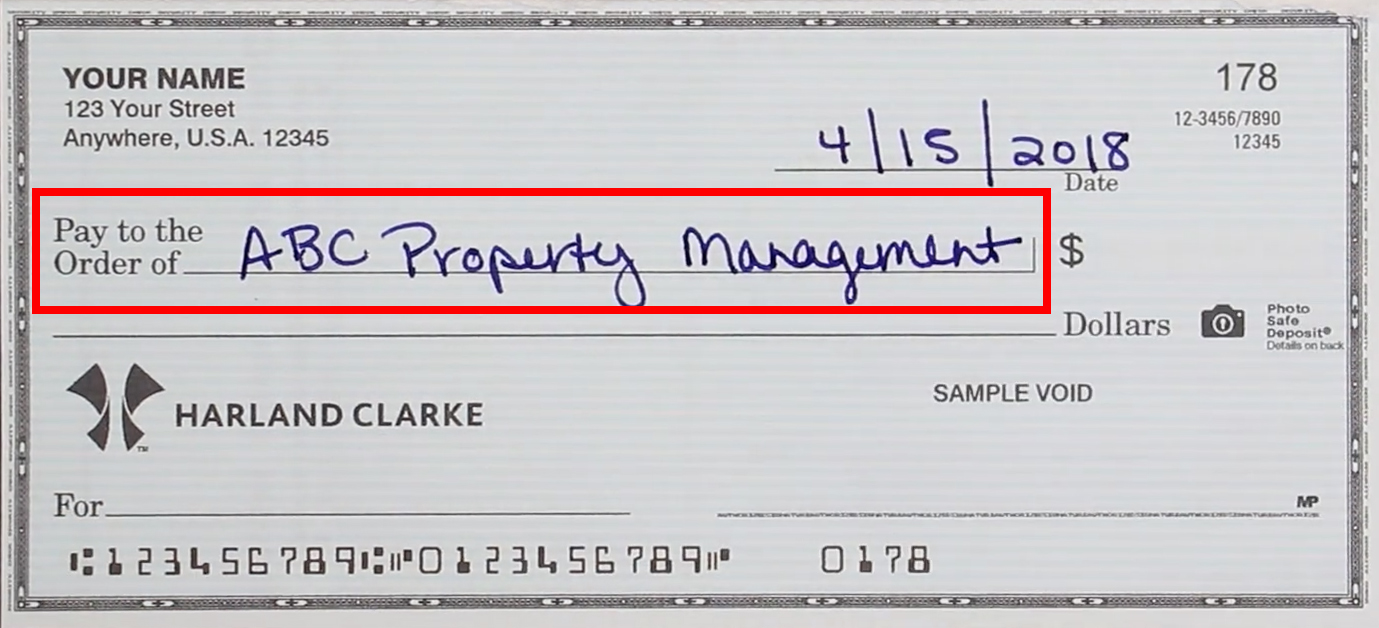
2. On the line where it asks who to make the check out to, write the name of the company or individual who will receive your check (unless you are writing a check to cash).

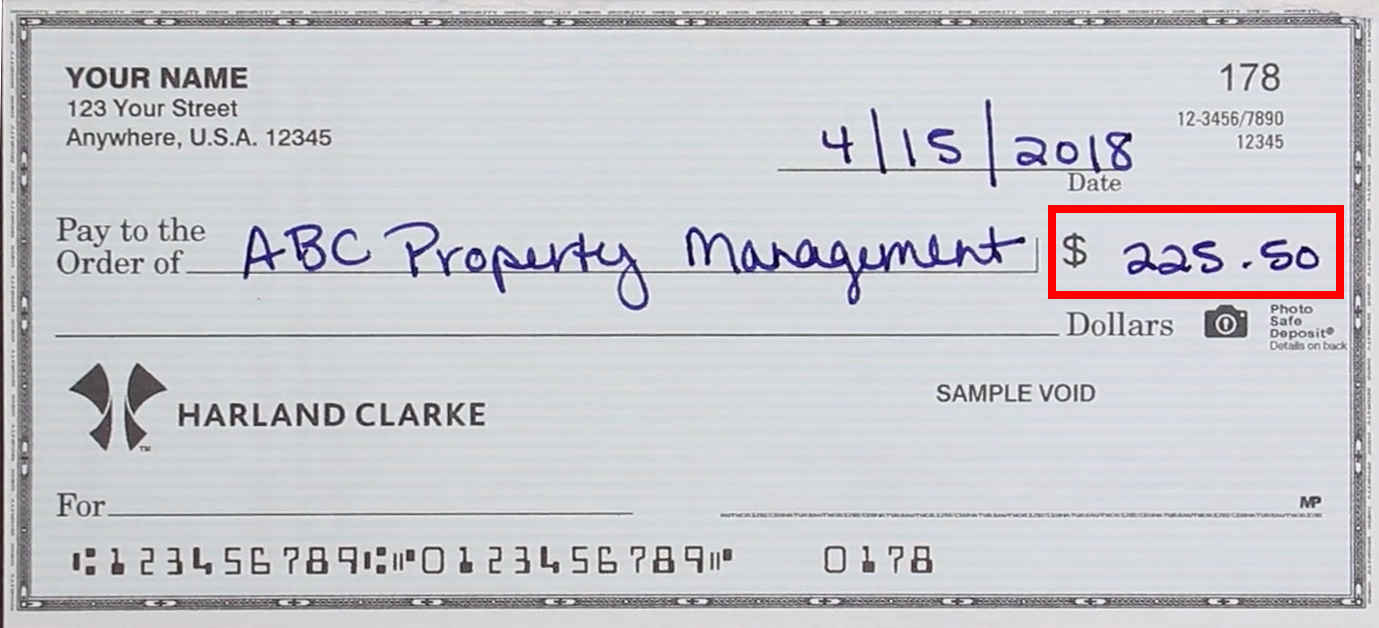
3. In the small space that starts with a symbol of the dollar sign, write the amount in digits, separating dollars from cents with a period. For instance, it should read like this: “$75.97.”

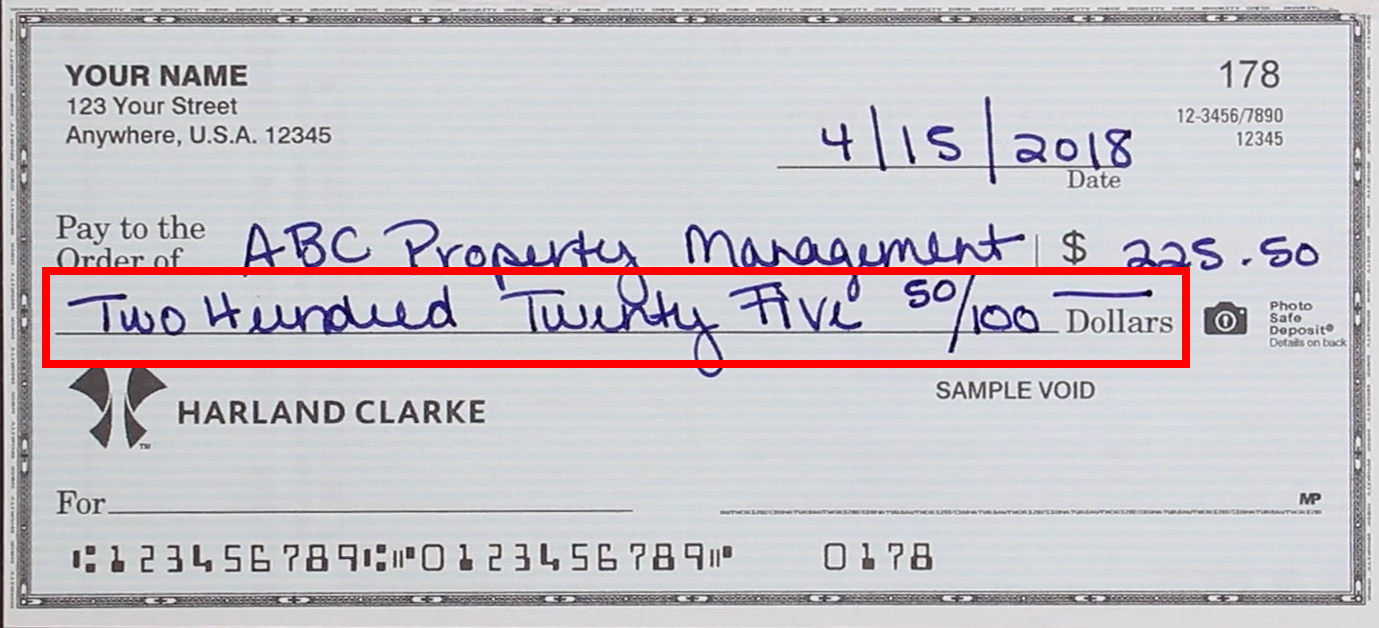
4. On the line that ends with the word “dollars” write out the amount in words, followed by the change in fractions. So, it will read like this: “Seventy-five dollars and 97/100.” Make sure to write it all in one line.

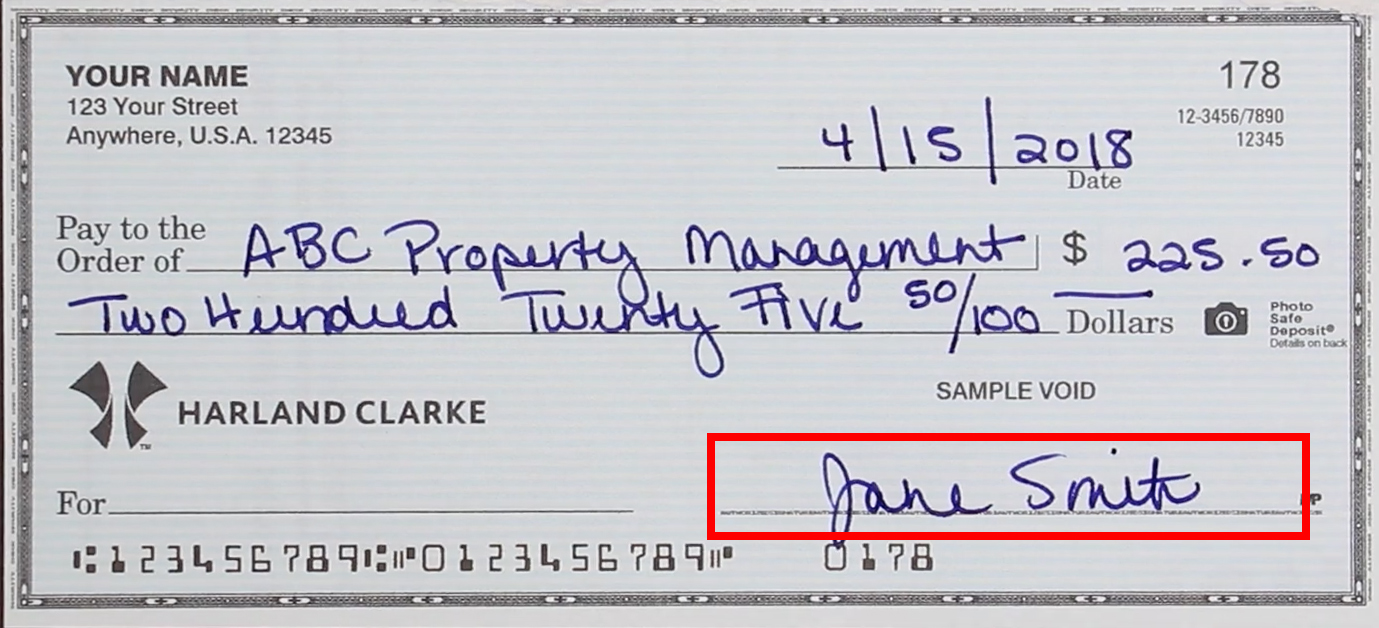
5. On the lower right, you’ll find the signature line where you sign.

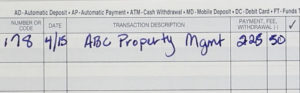
6. Using the check ledger or check stub, note the number of the check, when it was written, and the name of the payee.

7. In the check ledger, subtract the amount you paid out from your total balance. This will give you your remaining balance.

It’s easy to learn how to write a check, and by writing one out properly, the bearer will not have any trouble cashing it. However, if you don’t write the check out properly, the bank clerk will probably refuse to pay the recipient.

How to Write a Check That Will Not Bounce

A “good” check is one that will not “bounce.” A bounced check is one where the bearer does not get the money promised because there is insufficient money in your account to pay out. It’s easy to lose track of your checking account balance. This happens because you either did not keep your check ledger updated after writing out a check or you put in the wrong number, perhaps accidentally transposing the digits.

If you don’t keep up with your records, keeping track of amounts deposited and withdrawn from your checking account, the bank will penalize you with a fine. If you write several bad checks, these fines can quickly add up to hundreds of dollars.

Writing a Check to Cash

Writing a check to cash has been a common financial practice for as long as people have had checking accounts, but not a lot of people understand how the process works. Essentially, writing a check to cash allows any bank to give a person cash, even if he or she does not have an account there.

To do this, a person will start by writing a check, using the word “cash” on the “pay to” line. The amount of the check is written for the amount of cash that a person wants to withdraw, and it is signed by the account owner. This check is then handed over to the teller at a bank. The teller is then able to give the consumer cash for the amount on the check.

While this practice was very common years ago, in today’s era of electronic banking and ATM machines it is rare to see someone write a check to cash. Most people will use their ATM card or visit their own bank branch in order to get cash.  Knowing how to write a check to cash isn’t as useful as it used ot be.

Furthermore, it is very common today to see people write a check made out to a store or other retail establishment that can then get turned into account. This practice is often incorrectly referred to writing a check to “cash”, but this is actually a courtesy service provided by some retailers to their customers. In these cases, the check is written for the amount that a consumer needs in cash, but the “pay to” line is made out to the retail store. After giving the customer their cash, the store then processes the check just as they would a check made out for goods and/or services.

Turning a check into cash can be very convenient, but many banks will charge non-customers a small fee for this service. Be careful to watch out for these fees, and try to avoid banks that charge excessive amounts for this service. Your own bank should allow you to withdraw cash for free.